Kenya
Water
Execution
Water4KenduBay: Building Infrastructure for Clean Drinking Water
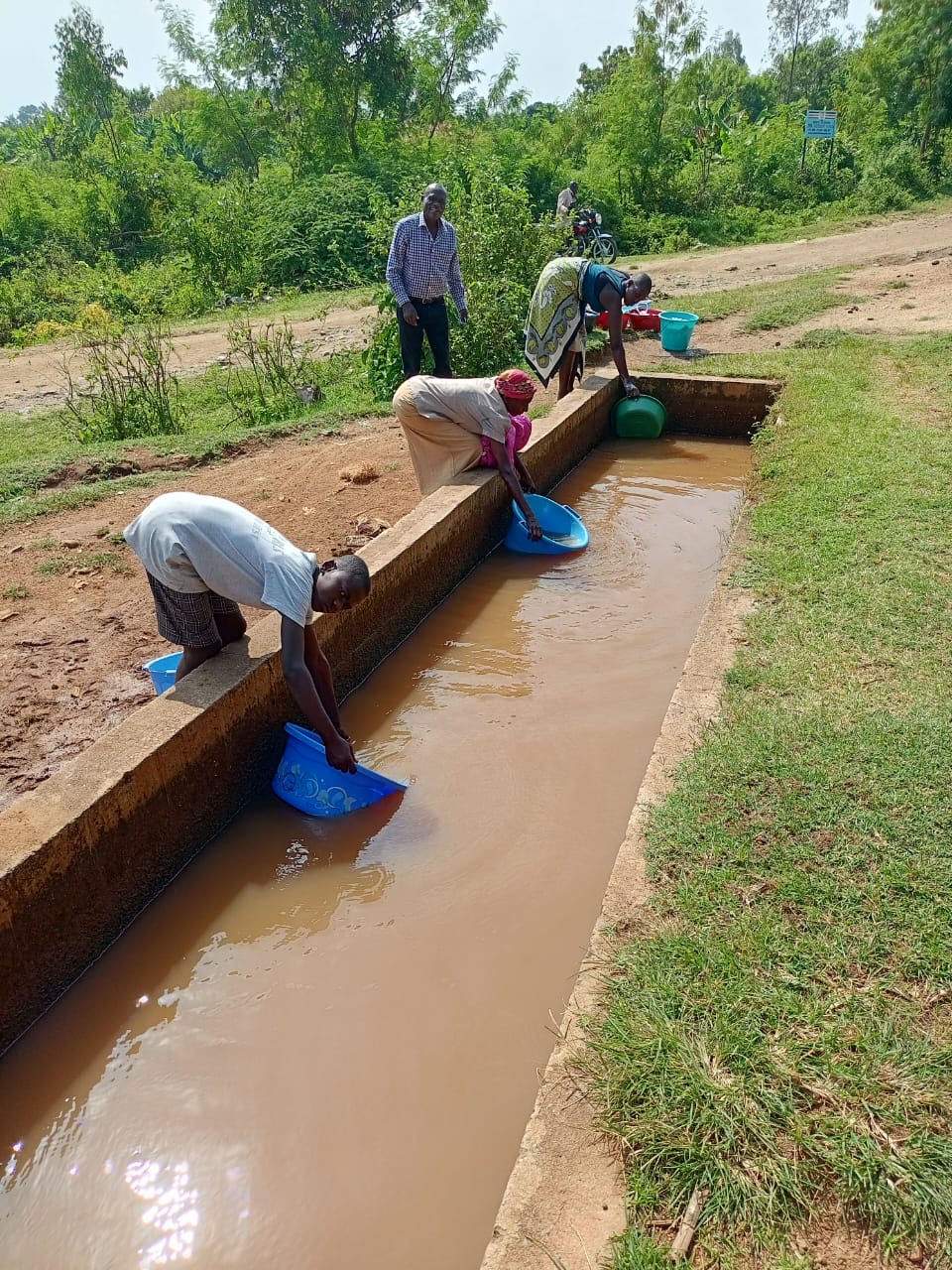
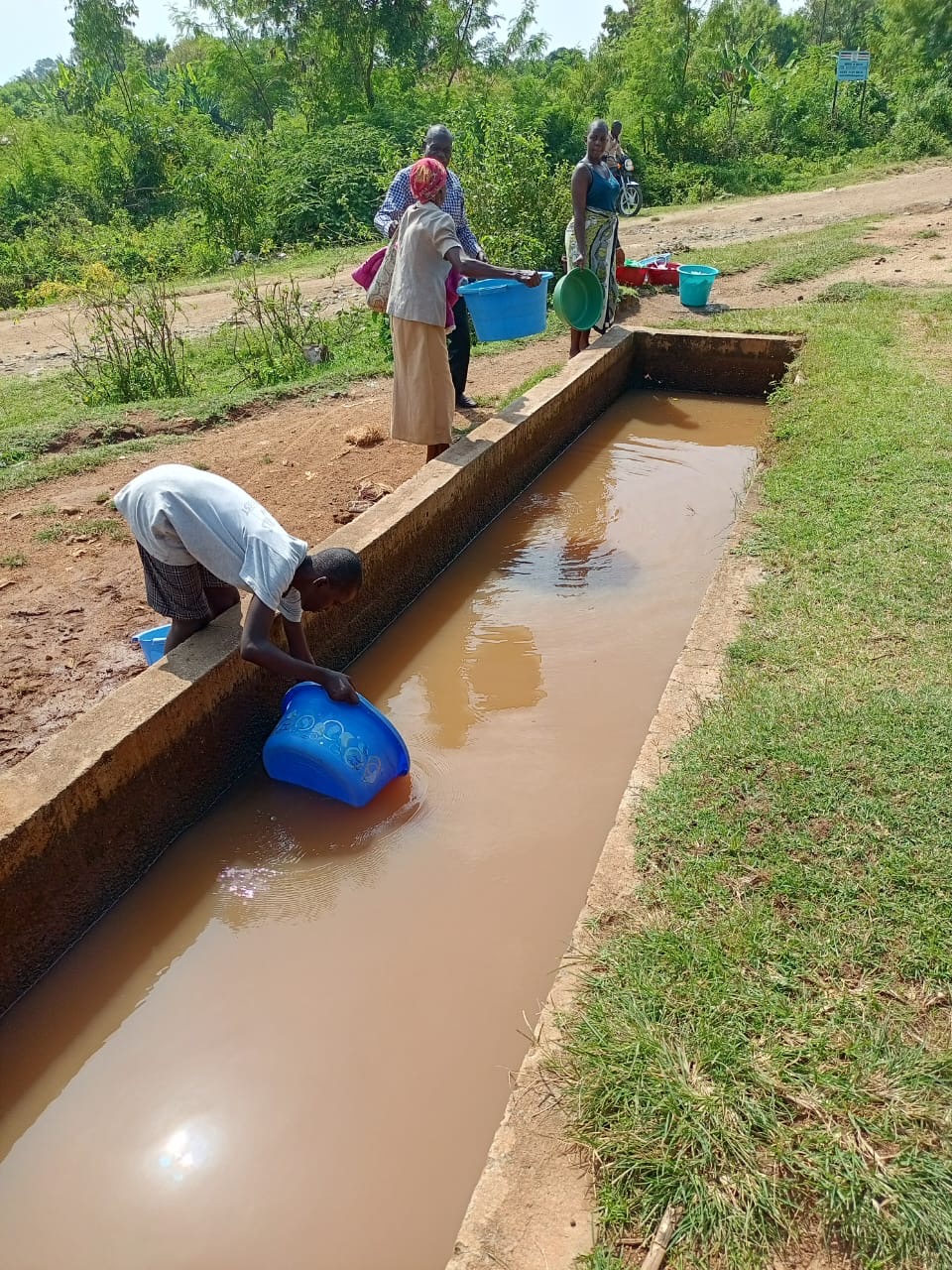
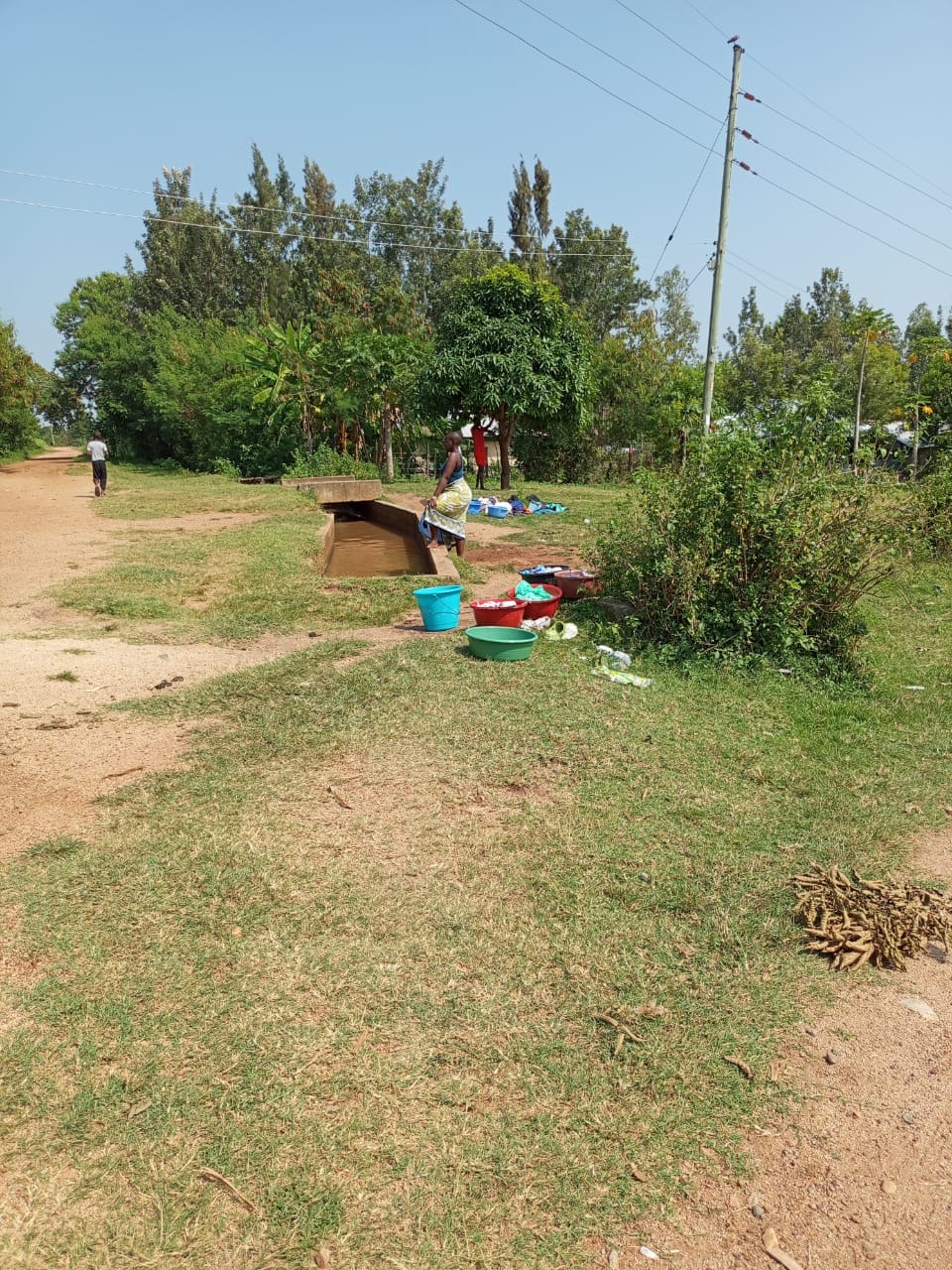
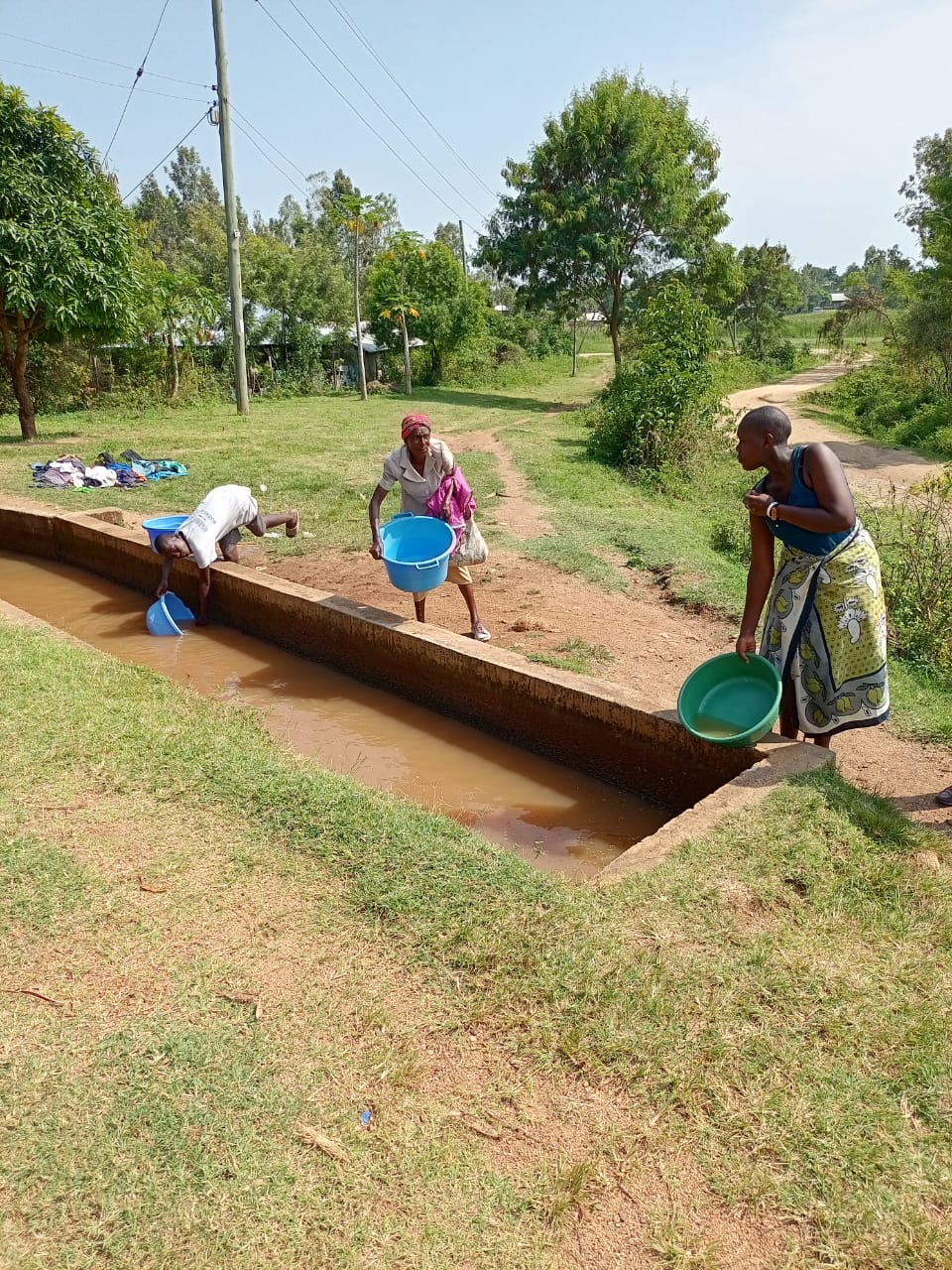
In the Central Karachuonyo Ward of Kenya, daily life for its 30,000 residents is closely tied to the availability of water. The community currently relies on shallow wells that are often contaminated, which contributes to public health concerns; local hospitals report that 75% of treated cases relate to waterborne diseases like typhoid and cholera. This project is designed to improve this situation by engineering a reliable system to deliver safe, clean drinking water to the community.
Challenge
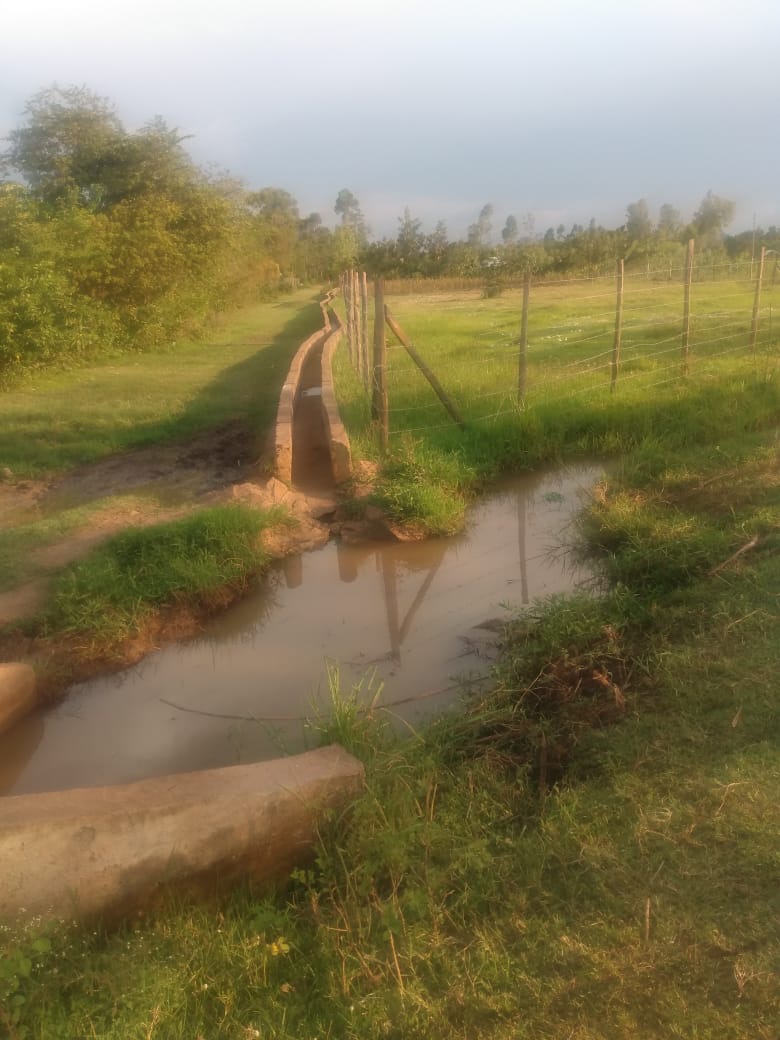
The community’s water sources are predominantly shallow wells, which are susceptible to contamination from the surrounding environment. The consumption of this water contributes to a significant health challenge, placing a strain on the local healthcare system and impacting the daily lives of residents, particularly young children.
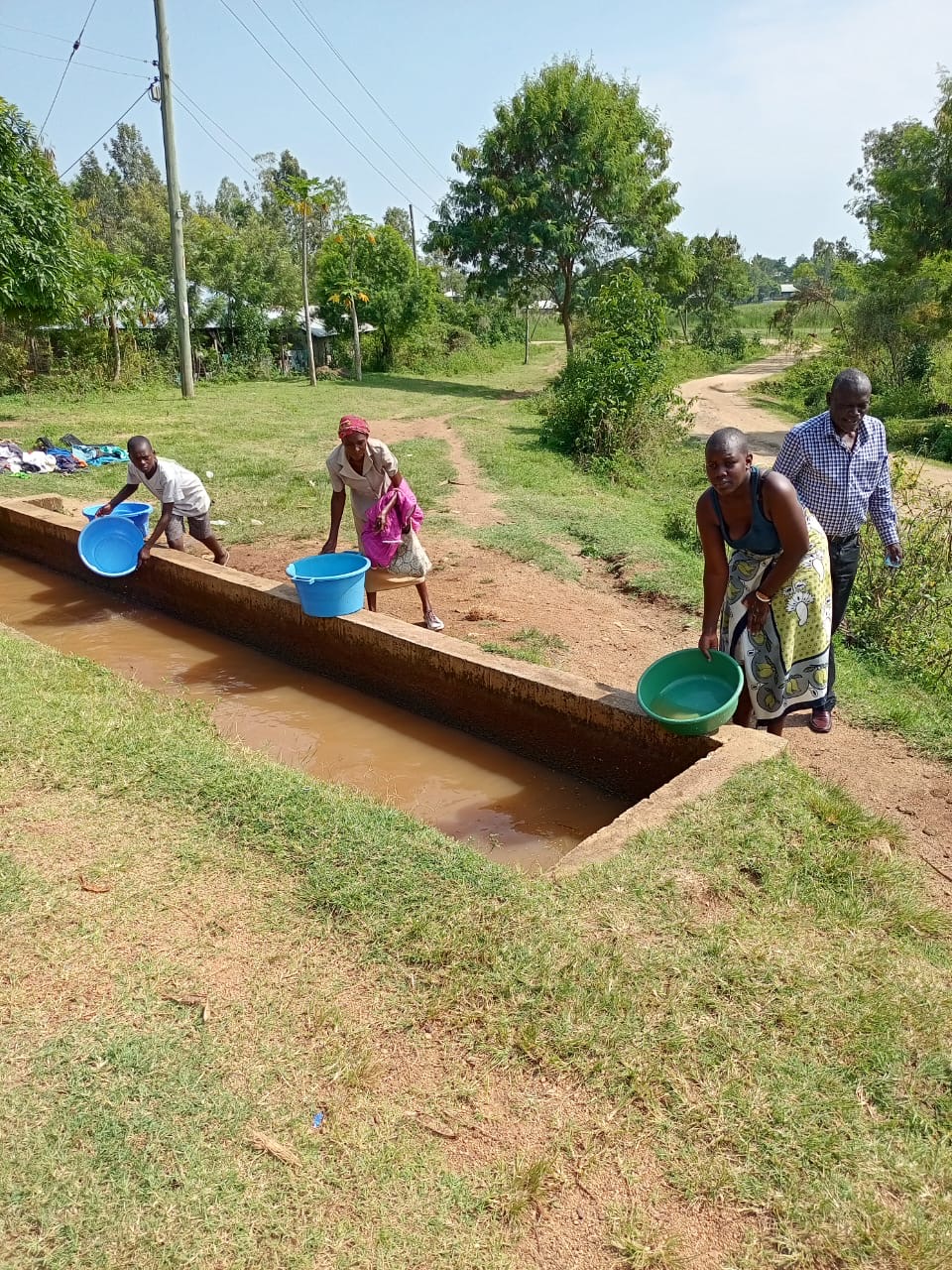
The challenge extends beyond health. The scarcity of clean water requires community members, mainly women and young girls, to travel considerable distances for a usable source. This daily task can take between one and five hours, which reduces the time available for education and economic development, while also presenting safety concerns during travel.
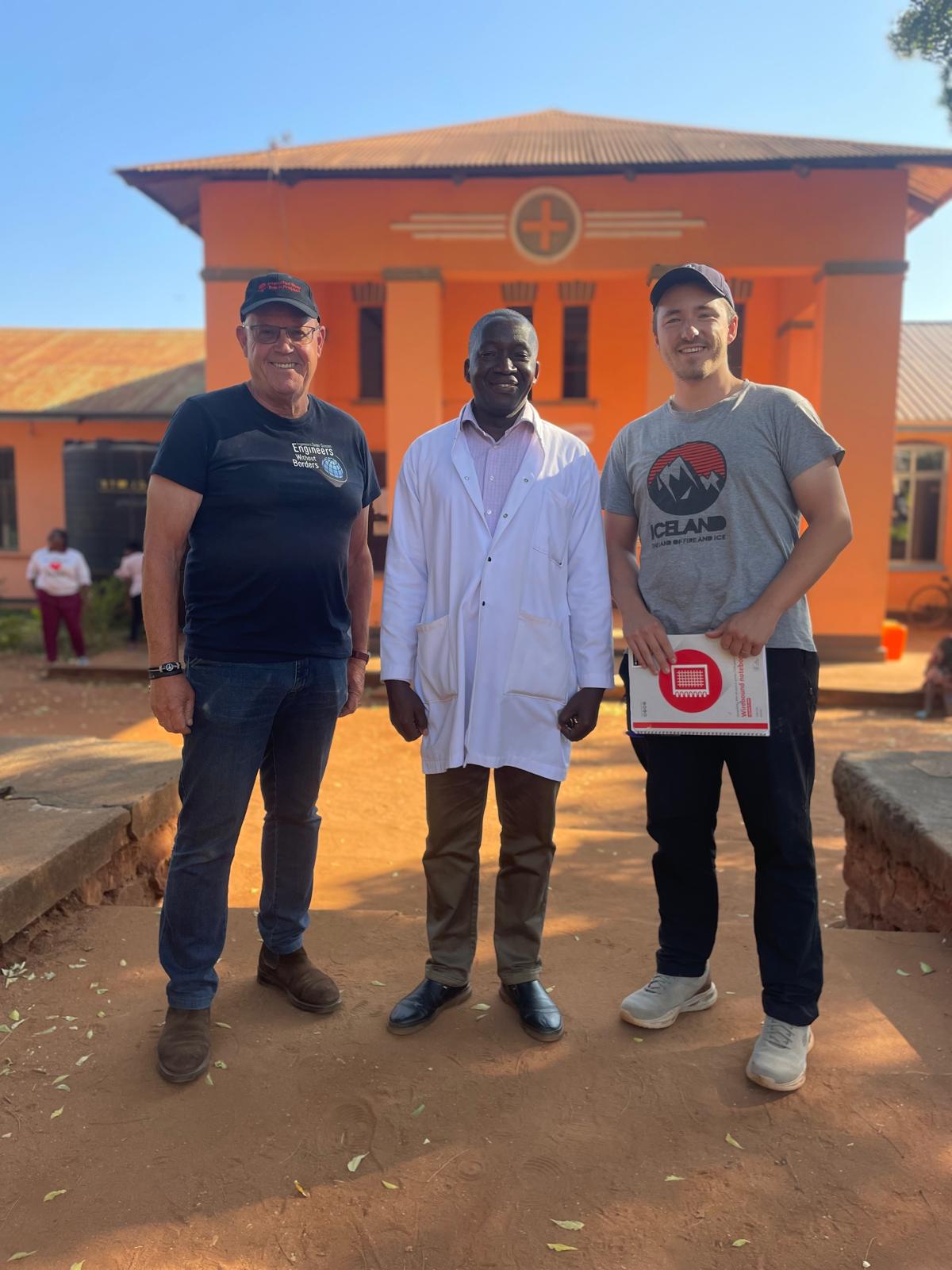
To address this, our local partner, Awach Kibuon Integrated Health and Livelihood Community-Based Organization (AKIHL CBO), has contacted Engineers Without Borders Netherlands for engineering expertise. The challenge is to design and implement a comprehensive water reticulation system that harnesses a clean, natural spring, ensuring the solution is not only technically sound but also sustainable and community-owned.
Goals
The project has several key objectives:
- Ensure a safe and reliable water supply for the entire community.
- Establish a system that is managed, operated, and maintained by the local community.
- Create a sustainable and replicable model that can be adapted for neighbouring regions.
Sustainable Development Goals
This project is a catalyst for community-wide development, contributing to several UN Sustainable Development Goals:
- SDG 3: Good Health and Well-being: By improving access to clean water, the project will help reduce waterborne diseases like typhoid and cholera, which currently account for 75% of cases at the local hospital. 🩺
- SDG 5: Gender Equality: It will empower women and girls by freeing them from the daily, hours-long task of fetching water, improving their safety and allowing them to pursue education and economic opportunities. 👩🎓
- SDG 6: Clean Water and Sanitation: The project’s core mission is to provide universal access to safe, reliable, and affordable drinking water for the entire community. 💧
- SDG 4: Quality Education: With the burden of water collection lifted and fewer sick days, children, especially girls, can dedicate more time to their studies and school attendance. 📚
- SDG 1 & 8: No Poverty & Decent Work: A healthier community is more productive. The project reduces household expenses on medicine and creates local employment, fostering economic growth. 📈
Images of this project