Uganda
Water
Finished
Water4Kasese – Uganda
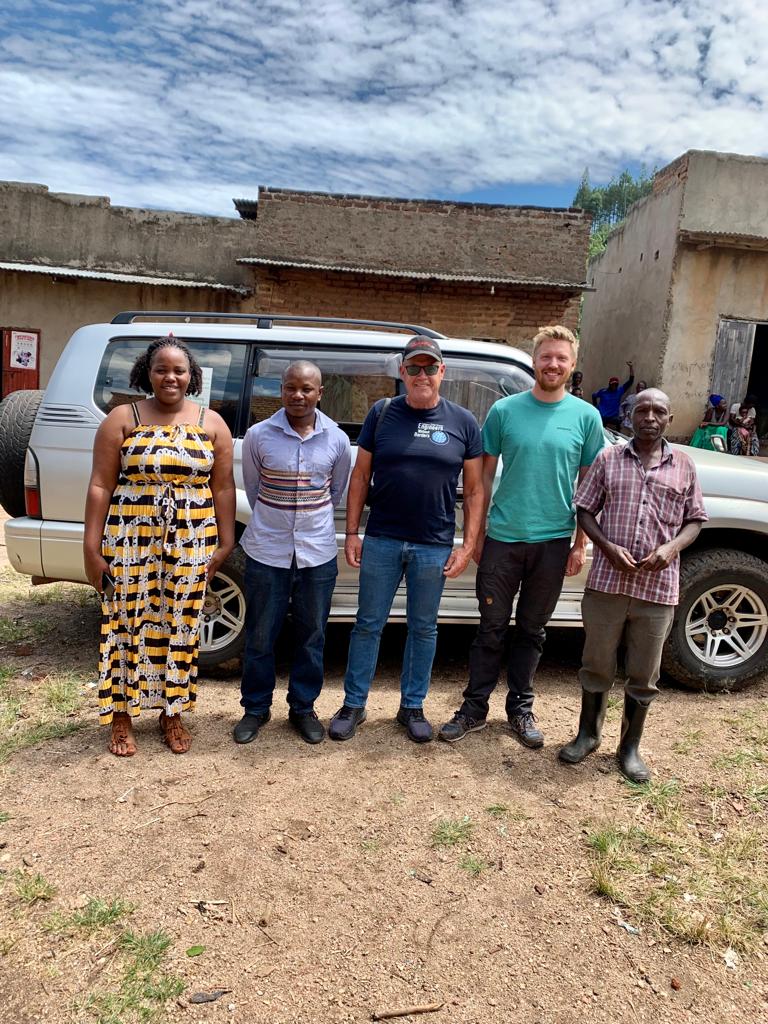
The goal of this project was to improve the drinking water supply in remote rural villages situated in the Kasese highland region, near the Congo border. Our project partner Elijah Thembo from KIDA (Kitabu Integrated Development Association) reported a serious lack of access to clean and reliable drinking water supply for both domestic and institutional use in the district’s villages in the district. In addition, poor sanitation facilities and a shortage of proper hygienic practices further intensified the local situation. In response to this, Alfred Mutsaars and Julian Werner, volunteer engineers from EWB-NL Water Expert Group, traveled to Kasese in 2022 to conduct a feasibility study that aimed to address these critical issues.
Challenge
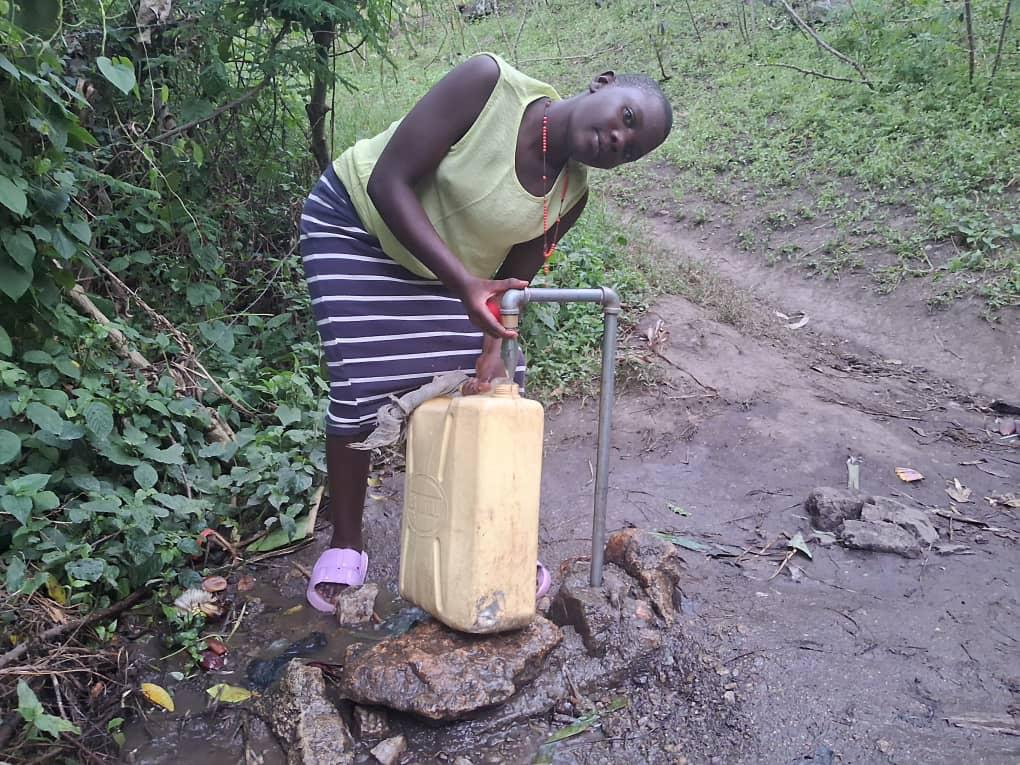
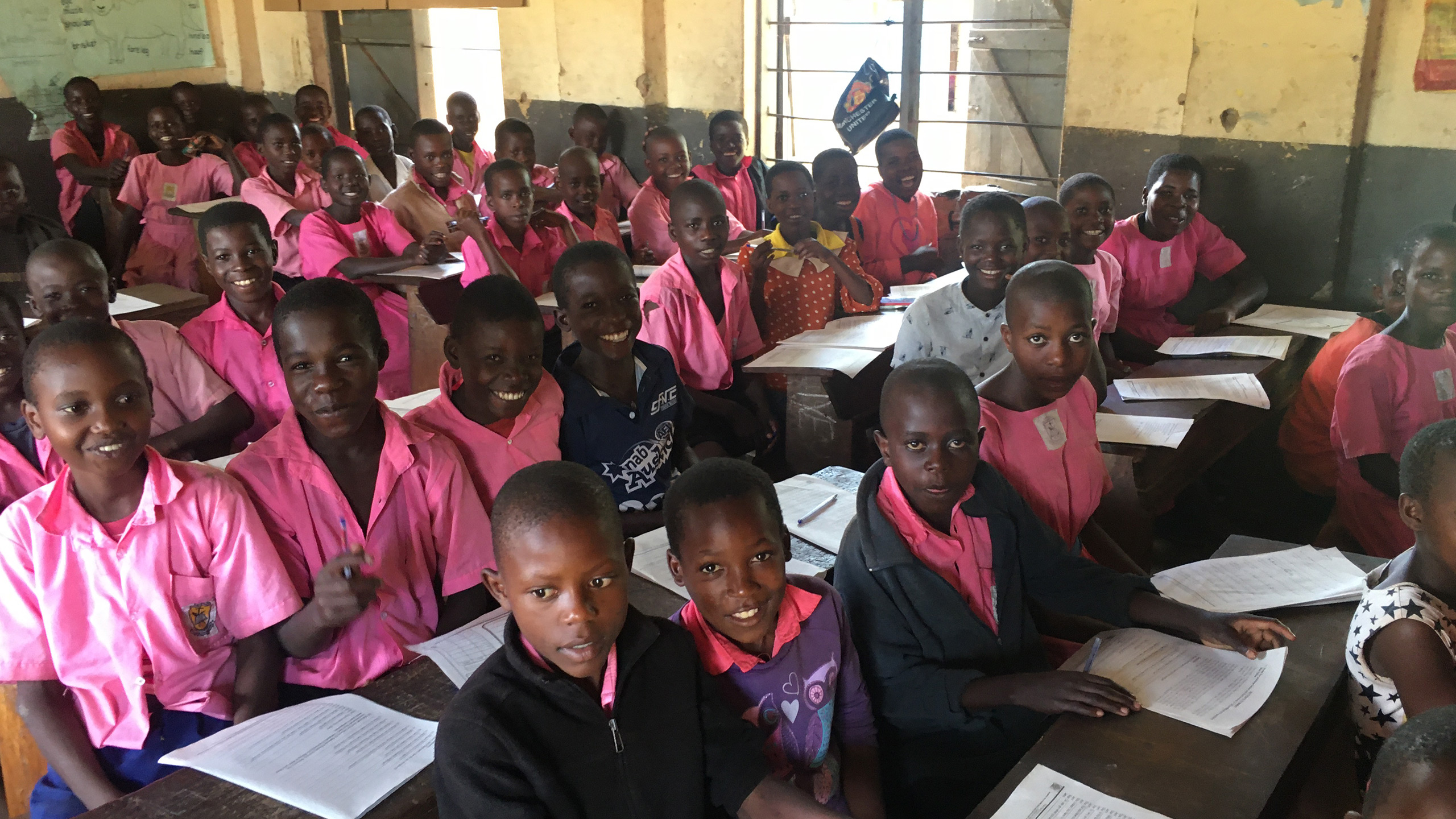
The population in this rural region is roughly 3,000 families. Women and children walk very long distances early in the mornings through the steep and dangerous mountainous terrain, facing risks from wildlife such as snakes and monkeys, to fetch water using jerrycans from unregulated and unsafe water sources. This issue contributes to high school dropout rates and low economic productivity.
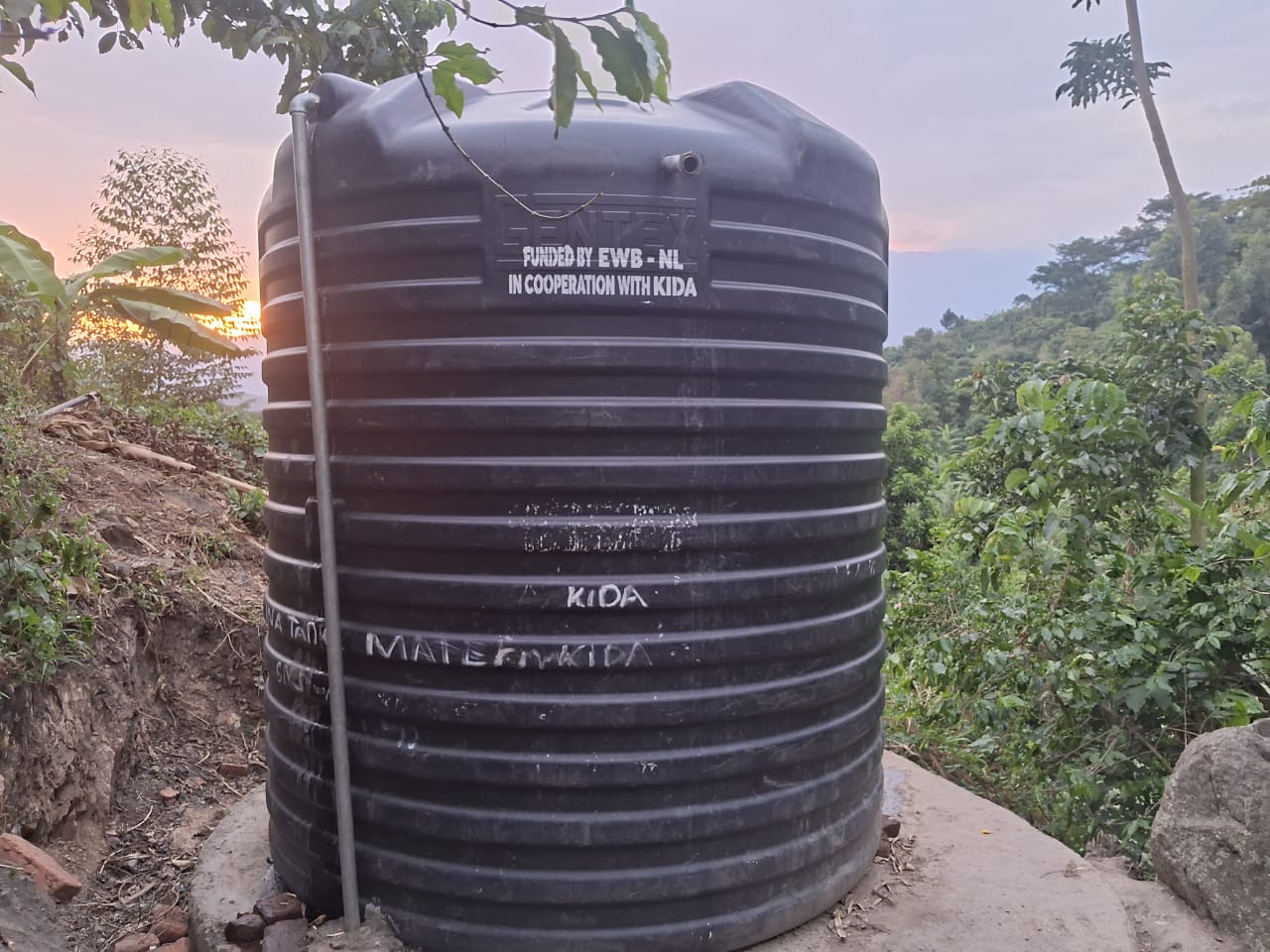
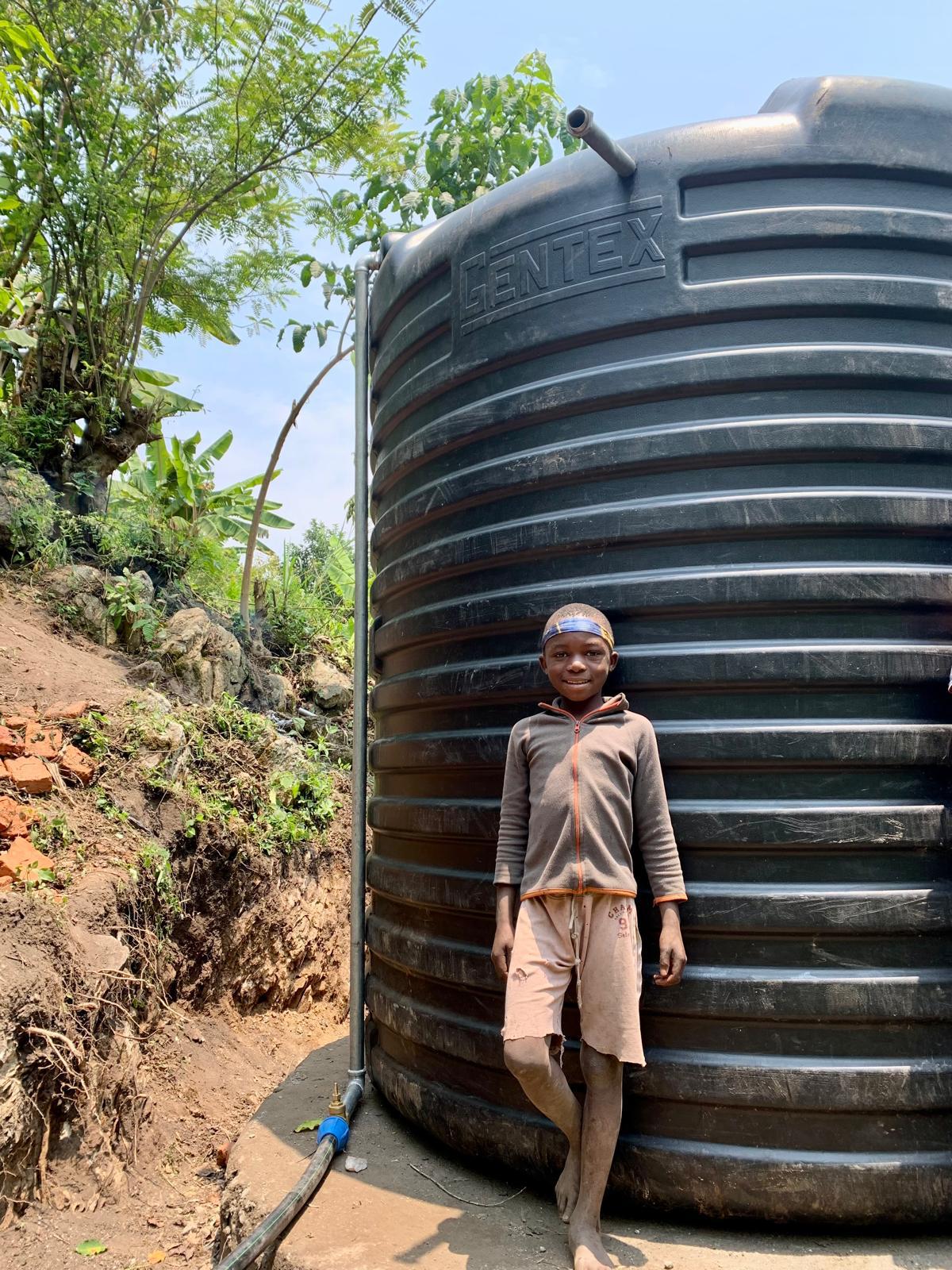
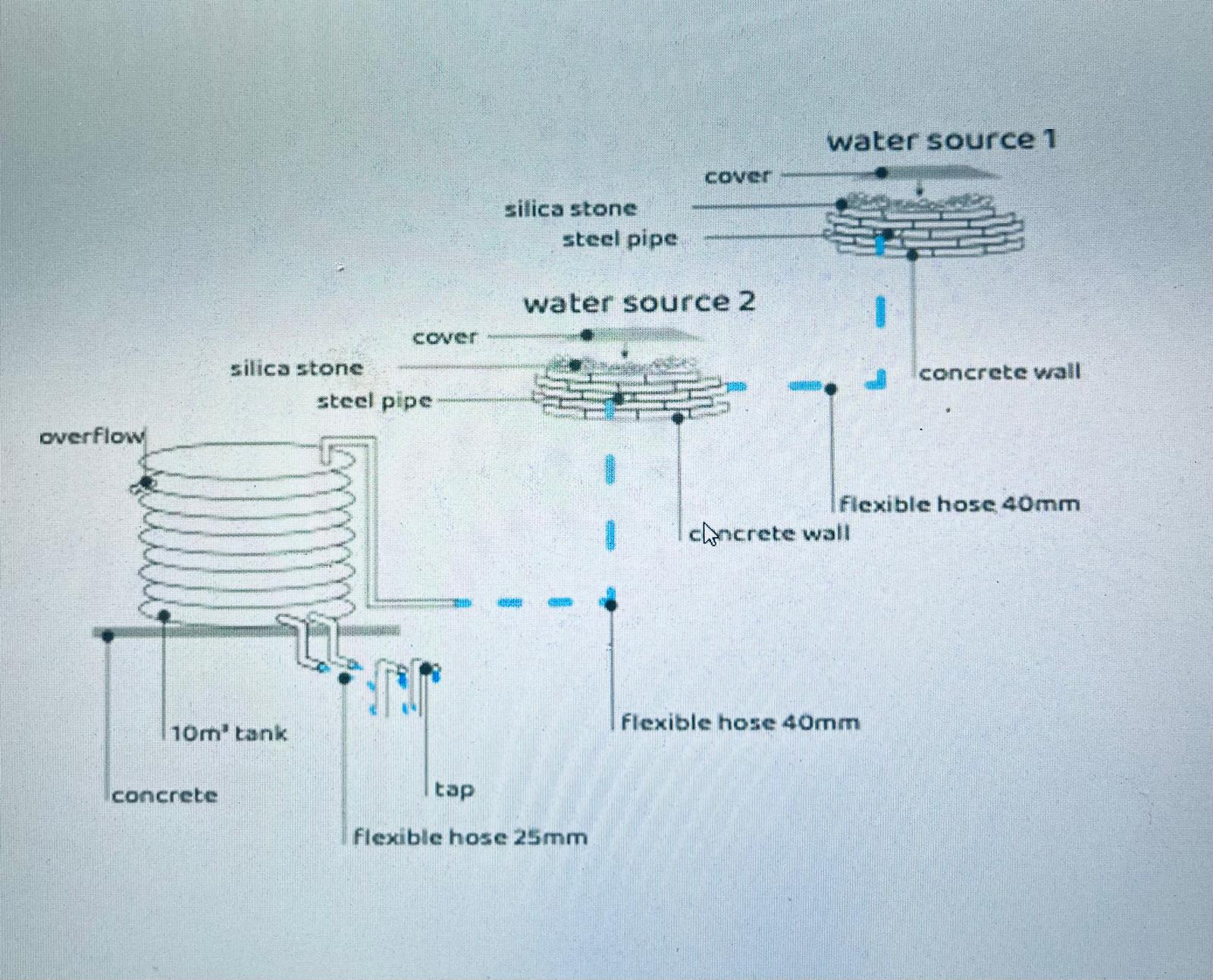
The lack of financial resources from this impoverished community made it difficult to fund the project. However, after extensive discussions with KIDA, we agreed that EWB-NL would provide €1,500 in seed funding for the project. This funding was allocated for purchasing essential materials, including a 10m³ tank, pipes, valves, cement, and black tarps.
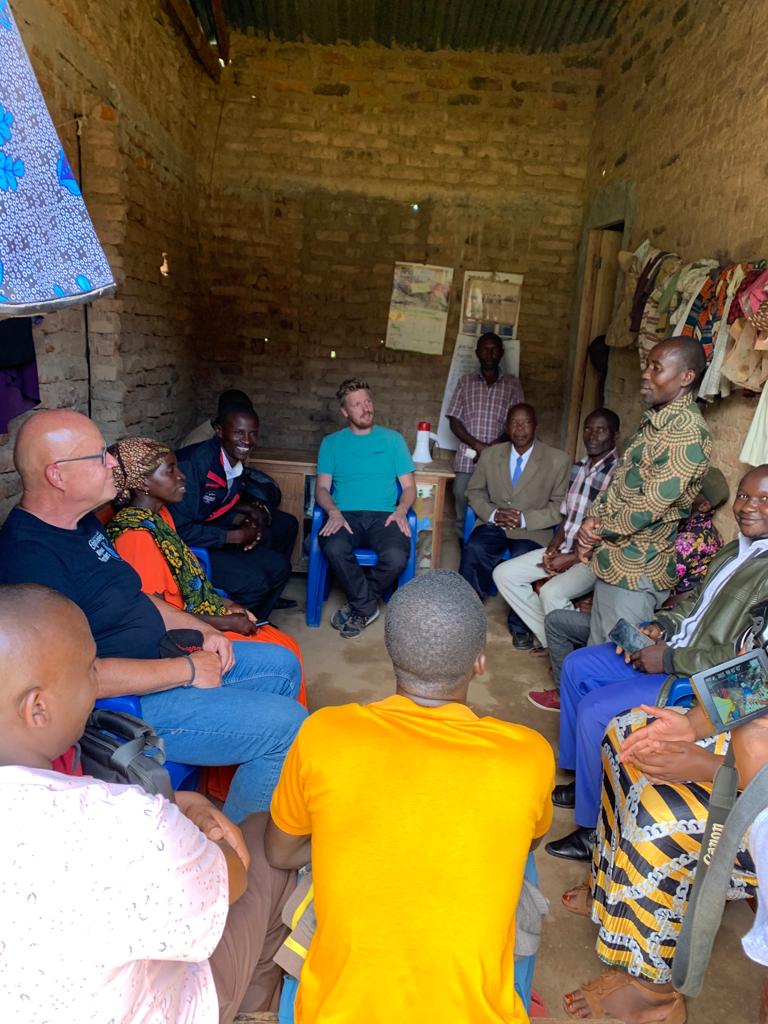
In exchange, the entire community of Nyondo committed to actively contributing to the construction and implementation of the water system. This effort consisted of breaking and collecting stones, creating filter basins, digging trenches for pipeline infrastructure, connecting pipes, creating concrete floors, and ensuring safe access to the rain forest. This all with guidance and technical input from EWB-NL water-expert engineers on site.
Implementation
KIDA also understood the value of our technical expertise and support from the feasibility study. They recognized that EWB-NL engineers could provide critical assistance during the project phase, including engineering expertise, logistical advice, calculations to identify optimal water sources/wells, and free consultation to aid the local communities in the high mountains.
After the feasibility study, we and KIDA determined that, due to the community’s limited ability to contribute financial resources, EWB-NL would provide €1,500 for the first phase, focusing initially on delivering clean water for one large village (~2,000 people). A 10m³ tank was chosen, along with two preferred wells, under the full agreement that, in return, the community would contribute 100% of the labor required to implement the project in this remote mountainous area.
This agreement with KIDA worked exceptionally well. When we arrived at the targeted rural village near Kasese for the start of the final project phase, we were able to purchase and pay for all pre-ordered materials, which were delivered to the site the same day. During the following days of hard work in the challenging conditions of the tropical mountains, we completed all pre-designed and internally planned preparations. After six days, we successfully tested the safe and reliable water streams flowing from the new taps. The implementation exceeded our expectations as every member of the community, from young to old, and across genders, actively contributed to the project.
Conclusion
Our approach proved to be highly effective. The system is still functioning extremely well, and we maintain regular contact with KIDA via WhatsApp for updates. This project was designed as a scalable and replicable model, enabling other villages to adopt the same solution in addressing their water issues, which remain critical for all communities.
Images of this project